

suffering awareness : ค้นหาหนังสือธรรมะ หน้า 3 / 3
หน้าหนังสือทั้งหมด
73
Understanding Types of Suffering in Buddhism
parideva dukkha
The Buddha characterized this form of suffering as that which produces tears of anguish whenever we are unable to give up our attachment to something. Again the cause might be the dece
This text delves into the different forms of suffering defined by the Buddha. It describes 'parideva dukkha' as the anguish leading to tears due to attachment loss, primarily affecting those grieving
78
Understanding the Noble Truth of Suffering
tial a person might be, it doesn't merit any special consideration on suffering's part — all are equal in the face of suffering. Thus, realization of the reality of suffering for what it really is, to
This section discusses the Buddhist understanding of suffering, emphasizing that all beings are equal in their experience of suffering. It highlights the significance of realizing the Noble Truth of S
88
The Perils of Craving in Buddhist Teachings
past, Ānanda and the rest of the monastic community were moved by the perils of the Cycle of Existence. Having completed his sermon, the Lord Buddha preached on the peril of Craving for the Brahmā-wor
In this teaching, the Buddha emphasized that craving is the root cause of suffering. He illustrated that just as a tree will regrow from its stump if not completely uprooted, suffering will persist if
117
The Noble Truth of the Cessation of Suffering
The Noble Truth of the Cessation of Suffering: A Conclusion
The Lord Buddha taught that the cessation of suffering can
be effected by extinguishing all craving through the prac-
tice of the Noble Eigh
The conclusion on the cessation of suffering according to the Buddha highlights the need to extinguish craving through the Noble Eightfold Path. Once craving is eliminated, suffering cannot return. Ou
123
Understanding Suffering and the Subtle Human Body
wealth. As the majority of sorts of suffering concerns material things, having attained the subtle human body, the mind, being unified with the subtle human body, is safely withdrawn beyond the reach
This text discusses why most people suffer due to attachment to their physical bodies and possessions, despite intellectually understanding Buddha's teachings on impermanence. The author emphasizes th
193
The Subtlety of Dhamma and the Buddha's Vocation
Dhamma in even greater subtlety. The Buddha was later to preach in the Simsapa forest that there were more leaves in the forest than he held in the palm of his hand. The 84,000 units of Dhamma which
The Buddha preached the concept of Dhamma, comparing his teachings to leaves in his hand versus the endless phenomena of enlightenment. He remembered his vow to end suffering, driven by compassion for
22
Understanding the First Noble Truth
-- The First Noble Truth states that all conditioned existence is characterized by suffering or unsatisfactory condition.
-- Suffering exists. Birth, aging, sickness, death, discontentment, disappoint
The First Noble Truth explains that all conditioned existence is marked by suffering. This suffering encompasses various forms such as birth, aging, illness, and death. Essential concepts like attachm
59
Understanding the Noble Truths of Suffering
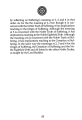
by reflecting on Suffering's meaning at 2, 3 and 4 in that
order. As for the the meaning at 2, even though it is con-
cerned with the Noble Truth of Suffering, it has implications
reaching to the Orig
The text reflects on the meanings of Suffering within Buddhism, particularly its Noble Truths. It discusses how the meanings related to Suffering connect with the Origin, Cessation, and the Noble Eigh
62
The Suffering of Birth: Understanding the Stages of Embryonic Development
The suffering of birth starts to affect beings without exception from the moment they are conceived. Some beings are fully equipped with sense spheres [āyatanā] from the moment they are born — others
The suffering of birth begins at conception and affects all beings. It varies by the mode of birth, with those born from the womb experiencing more suffering. Mammalian embryonic development shows cha
70
Understanding Suffering: The Dukkha of Illness and Dying
in its place. Even the Buddha and the enlightened ones are
subject to the suffering of illness — so who are we to over-
look the misery of illness?
4. Suffering as a result of Dying [marana dukkhā]
Al
This text delves into the concepts of suffering in Buddhism, particularly focusing on the pain associated with illness and the inevitable reality of death. It elucidates how all beings, including enli
90
Understanding the Pursuit of Happiness and the Cycle of Existence
Those who search for happiness via sense pleasure only
experience happiness at the moment before suffering mani-
fest itself. As soon as suffering becomes manifest, such peo-
ple are often so shocked
This text discusses the fleeting nature of happiness derived from sense pleasures and the inevitable suffering that follows. It compares individuals ensnared by cravings to a rabbit caught in a hunter
97
Understanding Craving and Suffering in Buddhism
practices will lead them to an end of suffering — but without realizing that it is only adding to their suffering. Thus it is compared to a dog who seizes whatever it likes from the owner without tak
This text elaborates on the Buddhist perspective regarding craving as the fundamental cause of suffering. It compares improper practices to a dog snatching things without regard, while proper practice
200
The Middle Way and the Four Noble Truths
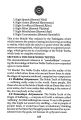
3. Right Speech [Sammā Vācā]
4. Right Action [Sammā Kammanta]
5. Right Livelihood [Sammā Ājīva]
6. Right Effort [Sammā Vāyāma]
7. Right Mindfulness [Sammā Sati]
8. Right Concentration [Sammā Samādhi]
This text discusses the Middle Way as taught by the Tathāgata, emphasizing the importance of Right Speech, Action, Livelihood, Effort, Mindfulness, and Concentration as a means to attain insight and e
221
Understanding Suffering and the Cycle of Existence
conditioning, stopping, Cessation of suffering 93-4 {metaphor, lion and
Suffering as 51-2; suffering as 47 hunter 94); responsible for keeping
conduct 145-6 being in cycle of rebirth 80; retin-
confu
This text delves into the nature of suffering, including its definitions and categorizations. It discusses the Cycle of Existence and how attachment leads to rebirth. The text highlights the importanc
41
Untitled
Universal Goodness : 39
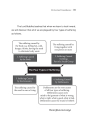
The Lord Buddha teaches that when we learn to look inward, we will discover that all of us are plagued by four types of suffering as follows.
The suffering caused by the body
No content provided to summarize.
86
OCR Ttext Not Provided
84 : Universal Goodness
The Harm Caused by Unpunctuality
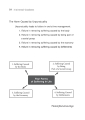
Unpunctuality leads to failure in one’s time management.
1. Failure in removing suffering caused by the body
2. Failure in removing suffer
No summary available as no content was provided for analysis. Please share the text for creating SEO elements.
34
Understanding the Three Characteristics of Existence
When we receive fortune, prestige, recognition or happiness,
our minds will remain calm, not overwhelmed or attached.
A person who is aware of suffering and happiness has
trained the mind to be as s
This text discusses the importance of understanding the Three Characteristics of existence: Impermanence, Suffering, and Non-self. It emphasizes that fortune, prestige, and happiness are temporary and
213
Understanding Suffering and Its Origin
aloko udāpadi. must be done in relation to Suffering.
<3.5.3> Ta
This text discusses the detailed understanding of suffering as articulated by monks. It highlights the arising of wisdom, knowledge, and brightness concerning truths about suffering and its origin tha
10
The Search for Knowledge and Freedom from Suffering
the day we lie on our deathbed, facing the reality of our mortal impermanence,
with all our fears returning to confront us once more.
Knowledge or wisdom that reveals the truth has and will always pr
When we confront our mortality, knowledge reveals truth and offers a path to peace. Ignorance leads to fear, prompting the pursuit of wisdom to alleviate suffering. We seek answers to life's fundament
21
Understanding Kilesa and Its Influence on the Mind
Kilesa is an element that soils the mind, invading it with great intensity to override the rational and, if allowed to, is ultimately the cause of mental suffering. Kilesa does not reveal its insidiou
Kilesa is an intrinsic element that corrupts the mind, causing mental suffering and overriding rationality. It acts like a hidden virus, lying dormant within the mind from birth. When viewed through D